
The First-Time Investor's Guide to San Antonio Real Estate
Real Estate, Investing, San Antonio
The First-Time Investor's Guide to San Antonio Real Estate
Thinking about buying your first investment property in Texas? As a new real estate investor, San Antonio should be on your radar. You’re looking at a market where prices have cooled slightly, inventory is up, and buyers finally have some leverage — a rare combination that can favor beginners who prepare well and finance smart with the right real estate investor loans. This guide will walk you through choosing a strategy, building a realistic budget, avoiding common local mistakes, and how Freedom Lending’s hard money and DSCR loans can help you get in the game in San Antonio and across Texas.
Why San Antonio Is Attractive for First-Time Investors
As of late 2026, San Antonio’s median list price is hovering around the low $300,000s, with many homes still trading closer to the high $200,000s, depending on the data source. Prices are down roughly 1–3% year-over-year, and inventory has climbed to about five to six months of supply, which means more choices and room to negotiate for buyers (Realtor.com, Redfin, HAR.com). At the same time, the metro is still growing in population and attracting new residents, which supports long-term demand for both rentals and starter homes — a solid backdrop for Texas real estate investor loans.
In simple terms: prices have softened, sellers are more flexible, but the city’s long-term fundamentals remain strong. That’s a combination many first-time investors wait years to see in a major Texas market like San Antonio.
Step 1: Pick Your Strategy – Flip or Rental?
Fix-and-Flip: Quick Profit, Higher Pressure
A fix-and-flip strategy means buying a property below market value, renovating it, and reselling it for a profit. In San Antonio, this often means targeting older homes on the city’s West Side, South Side, or transitioning pockets inside Loop 410 where cosmetic updates can significantly boost value. With median sale prices around $265,000–$290,000, many entry-level homes still leave room for a spread if you buy right and control rehab costs — especially when paired with the right hard money financing tailored for Texas investors.
Flips can be ideal if you:
Have a strong contractor or construction background
Want to recycle your capital quickly instead of holding long term
Can handle tight timelines, detailed budgeting, and active project management
Buy-and-Hold Rentals: Slow and Steady Wealth
A rental strategy focuses on monthly cash flow and long-term appreciation. With typical home values in the mid-$200,000s to low $300,000s and rents that have softened slightly (down about 2% year-over-year in some reports), San Antonio can still offer solid numbers when you buy at a discount and finance wisely (Restar). For many new investors, pairing good deals with DSCR loans or other real estate investor loans is what makes a long-term hold feasible.
Rentals may be better if you:
Prefer steady, long-term income over quick flips
Like the idea of tenants paying down your loan over time
Are comfortable managing people, leases, and ongoing maintenance
💡 Simple rule of thumb: If you need cash back quickly, consider flipping with a well-structured hard money loan. If you want long-term wealth and tax benefits, consider rentals financed with DSCR or other investor-focused products — or a mix of both over time.
Step 2: Build a Realistic San Antonio Budget
For a starter investment property in San Antonio, many first-timers target purchase prices between $200,000 and $275,000. This keeps monthly payments manageable while still buying in areas with strong demand. But purchase price is just one piece of the puzzle — especially if you’re using a fix-and-flip or value-add rental strategy backed by real estate investor loans.
Down payment and closing costs: Even with investor-friendly financing, plan for 10–20% of the purchase price plus a few thousand dollars in closing costs, inspections, and reserves. Different Texas hard money and DSCR lenders will have slightly different minimums, so build in a cushion.
Rehab budget: For a light cosmetic rehab (paint, flooring, fixtures), a common range is $20–$35 per square foot. Older homes needing systems work (roof, HVAC, foundation) can run far higher, so always get professional bids and make sure your hard money or rehab loan structure supports the full scope.
Holding costs: Property taxes, insurance, utilities, and loan payments while you renovate or lease-up. In San Antonio’s current market, where days on market hover near 60, it’s wise to budget at least six months of holding costs to stay safe.
📌 Budget checkpoint: Before you write an offer, confirm that your total costs — purchase, rehab, and holding — still leave room for profit or positive cash flow after financing.
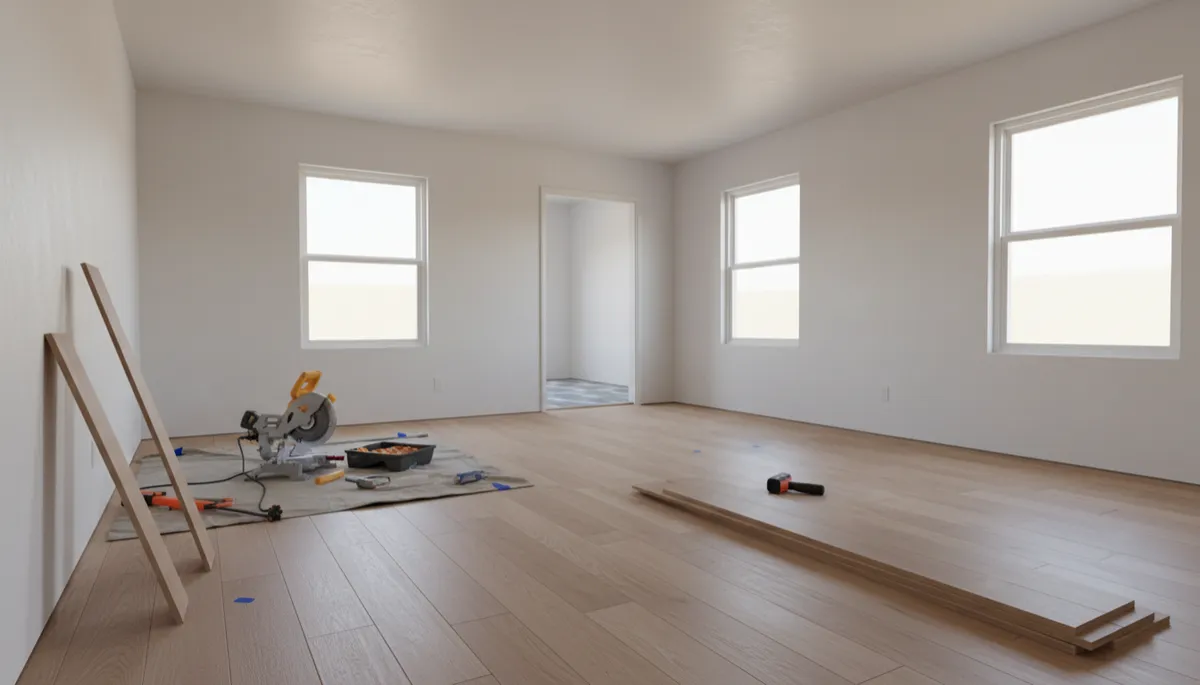
Accurate rehab and holding budgets often separate profitable deals from painful lessons.
Common Mistakes New Investors Make in the Alamo City
Every market has its quirks. Here are some of the most common mistakes beginners make in San Antonio — and how to avoid them:
Using “hot” Austin or Dallas numbers: San Antonio is more affordable and slightly softer right now. Overestimating after-repair values (ARVs) based on other Texas cities can erase your profits and make even good hard money terms feel painful.
Underestimating rehab on older housing stock: Many central and inner-loop neighborhoods have charming older homes that hide expensive surprises — cast iron plumbing, outdated electrical, or foundation issues. Always budget a contingency of at least 10–15% and confirm your lender’s rehab draws fit the project timeline.
Ignoring micro-neighborhood differences: Values can change dramatically from one side of a major street to the other. Work with local agents, contractors, and lenders who know which pockets are truly up-and-coming versus just “cheap.”
Not planning an exit strategy: Some investors buy assuming they’ll flip, only to find the property sits on the market. In a buyer-leaning city, it’s smart to know whether your deal also works as a rental if you need to pivot — and whether a DSCR refinance is realistic based on projected rents.
📌 Key takeaway: Conservative numbers and local knowledge matter more than chasing the “perfect” deal. Protect your downside first with realistic ARVs, rehab costs, and financing assumptions; the upside will follow.
How Freedom Lending’s Hard Money and DSCR Loans Fit Your Strategy
Hard Money Loans for Flips and Heavy Rehabs
When you’re buying a distressed or outdated property, traditional banks often say no. Hard money loans from lenders like Freedom Lending are designed for investors who need fast, flexible capital on properties that may not qualify for conventional financing. These short-term real estate investor loans are secured by the property itself and can cover a large portion of both purchase and rehab costs (Investopedia).
For a San Antonio flip, that means you can move quickly on discounted deals, fund repairs, and position yourself to sell into a market where buyers are still active — especially at the entry-level price points where inventory turns the fastest. In a competitive Texas market, speed and certainty of close are major advantages that the right hard money lender can give you.
DSCR Loans for Long-Term Rentals
If your goal is to buy and hold rentals, a Debt Service Coverage Ratio (DSCR) loan can be a powerful tool. Instead of focusing heavily on your personal income, DSCR loans look at the property’s ability to pay for itself — in other words, whether the expected rent comfortably covers the mortgage payment and expenses.
In a city like San Antonio, where rents are relatively affordable compared to home prices, DSCR loans can help you lock in long-term financing on properties that cash flow, even if you’re self-employed or building your portfolio. Freedom Lending can help you evaluate whether a property’s projected income supports a DSCR loan structure that fits your goals and how that compares to other Texas real estate investor loans.
💡 Pro Tip: Many investors use hard money to acquire and rehab, then refinance into a DSCR loan once the property is stabilized — turning a flip-style project into a long-term, cash-flowing asset without relying solely on personal income documentation.
Ready to Invest in San Antonio? Talk to a Local Lender Who Gets It
San Antonio’s 2026 market gives first-time investors a rare window: softer prices, motivated sellers, and a growing population that still needs quality housing. Whether you’re leaning toward your first flip or a steady rental portfolio, the right mix of hard money, DSCR, and other real estate investor loans can make the difference between “someday” and your first closing.
If you want help running numbers, understanding your Texas financing options, or simply talking through your first San Antonio deal, reach out to Freedom Lending’s local expert.
To get started, contact Rob at [email protected] or 903-806-4400.