
The Knowledge That Funds Your Next Deal
Practical guides, market insights, and lending strategies written for real estate investors who move fast and need financing that keeps up.
Home > Blog
Latest Articles
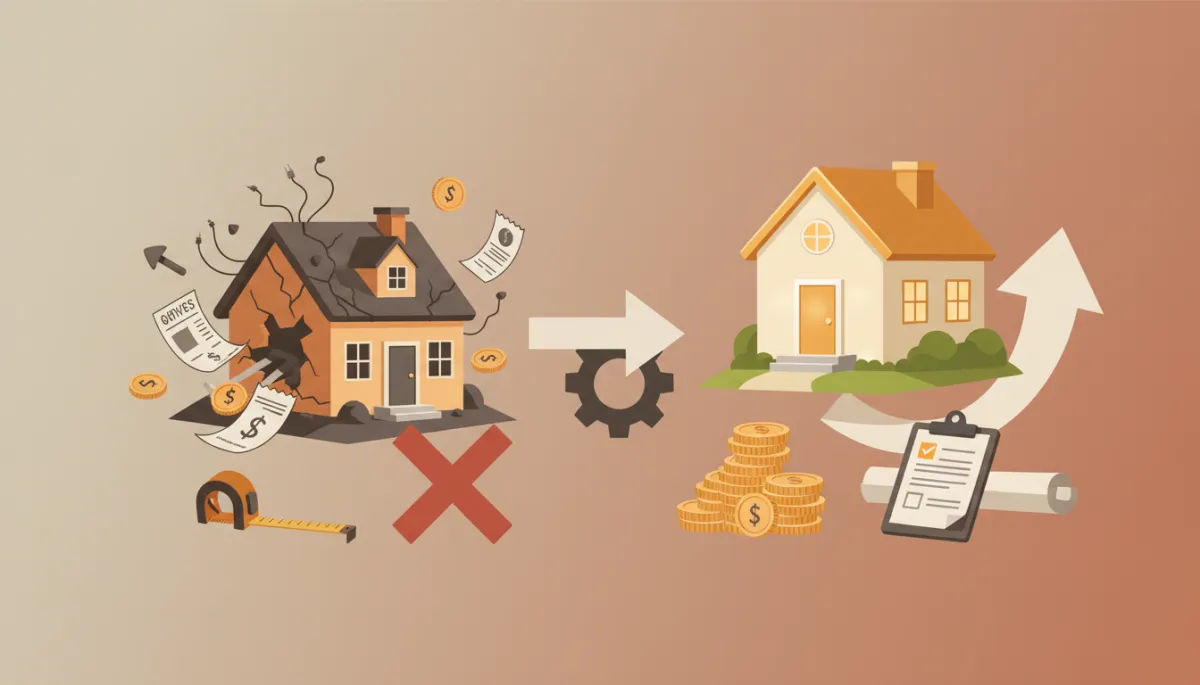
Avoid These 10 Fix & Flip Mistakes for Success
Real Estate Investing, Fix And Flip, Investment Property Tips
Top 10 Mistakes That Can Kill Your Fix & Flip Deal (And How to Avoid Them)
Thinking about jumping into a Fix And Flip project? Done right, it can be a fun, profitable way to build wealth. Done wrong, it can drain your savings, your time, and your sanity. In this friendly guide for individuals who are curious or just getting started, we’ll walk through the Top 10 Mistakes That Can Kill Your Fix & Flip Deal (And How to Avoid Them), with practical Investment Property Tips you can actually use on your next project.
Before You Swing a Hammer: Why Fix & Flip Deals Go Wrong
A successful Fix And Flip is really just a well-managed project with clear numbers. You buy low, control your Renovation Costs, choose smart Lending Solutions, and sell at a price that reflects a realistic After Repair Value (ARV). The challenge is that many first-time investors rush in with excitement and overlook small details that turn into big, expensive Real Estate Mistakes.
The good news? Most of the problems you hear about—blown budgets, endless delays, deals that barely break even—are avoidable. Let’s walk through the top 10 pitfalls and the simple moves you can make to dodge each one.
Mistake #1: Ignoring the True After Repair Value (ARV)
Your entire Fix And Flip deal hinges on one number: the After Repair Value. ARV is what the property should reasonably sell for once all renovations are complete. If you overestimate this number—even by a little—you can wipe out your profit before you start. This is one of the most common and most painful Real Estate Mistakes.
Don’t guess ARV based on “gut feeling” or what a friend says the house is worth.
Don’t use active listings; they show what sellers hope to get, not what buyers are actually paying.
How to avoid it: Pull recent comparable sales (“comps”) within a half-mile radius and within the last 3–6 months. Look for homes similar in size, age, and style to what your property will be like after renovation. If possible, ask a local agent to run a comparative market analysis (CMA). Then, be conservative: use the lower end of the range as your working ARV. That small bit of caution can protect your profit if the market cools or your Renovation Costs creep up.
💡 Friendly Tip: If your deal only works at the very top possible After Repair Value, it’s probably too tight. Look for a better opportunity.
Mistake #2: Underestimating Renovation Costs (By a Lot)
If ARV is the top of your profit equation, Renovation Costs are the bottom. Many new investors assume they can “do it cheaper” or that the contractor’s first verbal estimate is accurate. Then the surprises start: old wiring, hidden water damage, code issues, or a roof that looked “okay” but really isn’t.
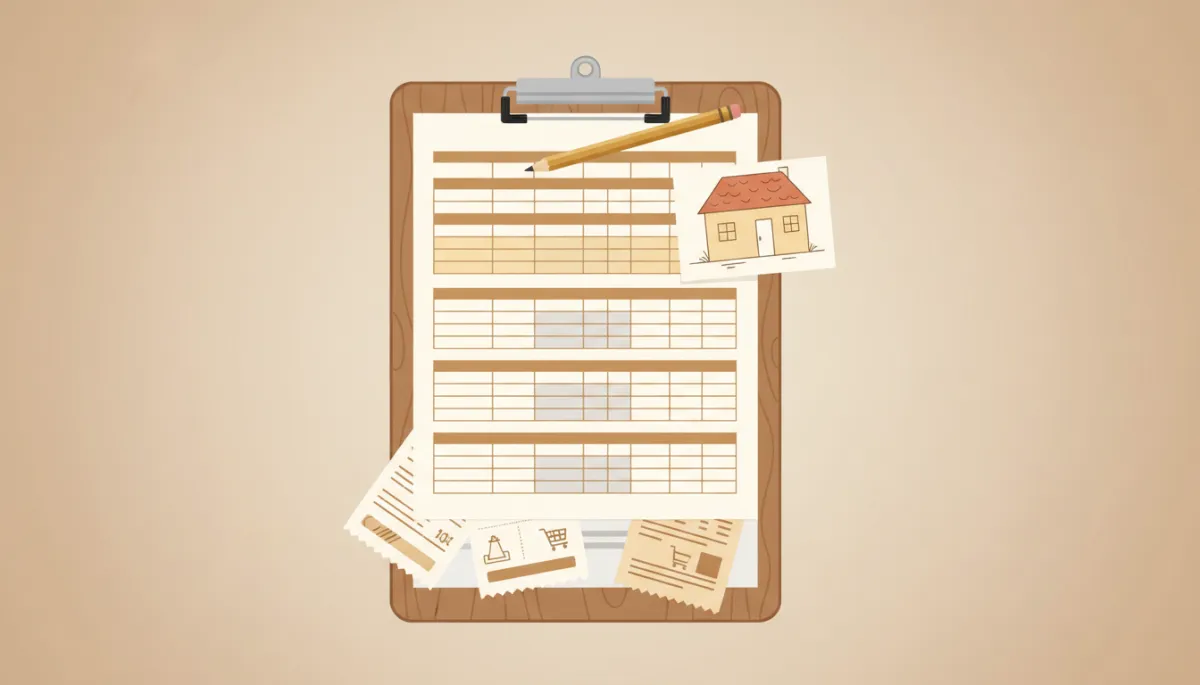
Of a clipboard with a detailed renovation budget, receipts, and a small house sketch, friendly flat.
A clear, line-by-line budget makes surprise renovation costs far less scary.
How to avoid it: Walk the property slowly with a contractor or inspector before you buy. Create a line-item scope of work: roofing, electrical, plumbing, HVAC, flooring, paint, kitchens, baths, landscaping, permits, dumpsters, and contingency. Get written bids, not casual ballpark numbers. Then add a 10–20% buffer for the unknowns. It’s better to be pleasantly surprised by coming in under budget than to be scrambling for cash halfway through the project.
💡 Investment Property Tip: Track Renovation Costs on every project. Over time, you’ll build your own price “cheat sheet” for future deals.
Mistake #3: Choosing the Wrong Lending Solutions
Your financing can make or break your profit. Some Lending Solutions look attractive on paper but become painful in real life: high fees, strict timelines, or limited draws that slow the project. Others might be cheap but too slow to close, causing you to lose the deal to a more prepared buyer.
Hard money loans: fast but often higher interest and points.
Private money: flexible, but depends on your relationships and reputation.
Traditional bank loans: cheaper, but slower and often not ideal for heavy rehabs.
How to avoid it: Before you make offers, talk to multiple lenders who understand Fix And Flip projects. Compare interest rates, points, fees, draw schedules, and timelines. Ask how they handle delays or cost overruns. Build the total cost of money—interest plus fees—into your deal analysis. The best Lending Solutions for you are the ones that give you enough time and flexibility to finish strong, not just the lowest headline rate.
Mistake #4: Skipping a Detailed Deal Analysis
Excitement is great; spreadsheets are better. Far too many Real Estate Mistakes happen because someone fell in love with a property and rushed past the numbers. A quick back-of-the-napkin guess is not enough for a serious Fix And Flip investment.
How to avoid it: For every potential deal, write out:
Purchase price (including closing costs and any assignment fees)
Renovation Costs (with contingency)
Holding costs: taxes, insurance, utilities, lawn care, loan interest
Selling costs: agent commissions, closing costs, staging, minor touch-ups
Your realistic After Repair Value
Then calculate your expected profit and your return on investment. If the numbers don’t give you a comfortable margin, walk away. There will always be another deal.
💡 Friendly Reminder: A “no” on a bad deal is a quiet win. Protecting your capital is one of the smartest Investment Property Tips out there.
Mistake #5: Over-Renovating for the Neighborhood
It’s easy to get carried away with finishes—quartz counters, designer tile, custom lighting. While quality matters, spending more than the area can support is one of those subtle Real Estate Mistakes that quietly eats your profit. Buyers in a first-time homebuyer neighborhood don’t expect the same level of upgrades as buyers in a luxury subdivision.

Of two side-by-side house interiors, one modest and one overly luxurious, with price tags...
Matching your renovations to the neighborhood keeps costs in line with buyer expectations.
How to avoid it: Visit open houses and recent sales in the area. Notice the level of finishes that actually sold quickly and for strong prices. Aim to match or slightly exceed that standard—never double it. Focus on high-impact, budget-friendly upgrades: fresh paint, new lighting, updated hardware, clean landscaping, and modern but not extravagant kitchens and baths. Keep reminding yourself: this is an investment, not your personal dream home.
Mistake #6: Hiring the Wrong Contractors (or No Contracts at All)
A great contractor can save your project; a bad one can sink it. Stories of contractors disappearing with deposits, doing sloppy work, or dragging a job out for months are sadly common in the Fix And Flip world. This is one of those Real Estate Mistakes that’s easy to avoid with a little homework and clear agreements.
Never hire purely on price; the cheapest bid often costs you more later.
Avoid cash-only arrangements with no paperwork or clear scope.
How to avoid it: Ask for references and actually call them. Check licenses and insurance where required. Use written contracts that spell out the scope of work, payment schedule, materials, and timeline. Tie payments to milestones, not to dates—pay as work is completed and passes inspection. This protects both you and the contractor and keeps expectations clear.
💡 Friendly Tip: Treat your contractors like partners. Clear communication and respect often lead to better pricing and faster work on future projects.
Mistake #7: Forgetting Holding Costs and Time Delays
When you run your numbers, it’s tempting to focus on just purchase price, Renovation Costs, and ARV. But every month you hold the property, you’re paying for taxes, insurance, utilities, lawn care or snow removal, and loan interest. If your project drags on, these holding costs can quietly eat thousands of dollars from your profit.

Of a calendar, house, and stacks of coins slowly shrinking over time, symbolizing holding costs,...
Every extra month you hold a property chips away at your final profit.
How to avoid it: Build realistic timelines. Ask your contractor for an honest schedule, then add a buffer for delays—weather, permits, back-ordered materials, and inspection schedules. Include holding costs in your deal analysis from day one. Once you own the property, keep the project moving: make decisions quickly, respond to contractor questions, and schedule inspections as early as possible.
Mistake #8: Ignoring Permits, Codes, and Inspections
Skipping permits might feel like a shortcut, but it can turn into a nightmare when you try to sell. Unpermitted work can scare off buyers, delay closings, and even force you to tear out and redo completed work. That’s a fast way to blow your budget and timeline on a Fix And Flip project.
How to avoid it: Before starting major work, check with your local building department about what requires a permit—often structural changes, electrical, plumbing, and HVAC. Build permit fees and inspection times into your plan. Work with contractors who are familiar with local codes and who don’t pressure you to “just skip it.” When you go to sell, having clear documentation of permitted work can actually be a selling point that gives buyers confidence.
💡 Investment Property Tip: Keep a simple folder (digital or physical) with permits, receipts, and warranties. It makes due diligence and resale much smoother.
Mistake #9: Weak Exit Strategy and Poor Pricing
Many new investors focus so much on the renovation that they forget about the exit. But how you bring the property to market—your pricing, photos, staging, and marketing—can be the difference between a quick, profitable sale and months of price cuts and carrying costs. This is where understanding your After Repair Value and the local buyer pool really pays off.
Overpricing leads to stale listings and lowball offers.
Underpricing leaves money on the table you worked hard to create.
How to avoid it: Work with an investor-friendly real estate agent who understands flips and local trends. Price based on recent comps, not emotion. Consider minor staging or at least thoughtful furniture placement to help buyers imagine living there. Use professional-quality photos; they’re one of the highest-return expenses in a Fix And Flip project. Have a plan B as well—if the property doesn’t sell at your target price within a certain time, are you willing to rent it, adjust the price, or offer incentives?
Mistake #10: Treating It Like a Hobby Instead of a Business
The final and perhaps biggest mistake is mindset. A Fix And Flip can be exciting and even enjoyable, but at the end of the day, it’s a business. When you treat it like a weekend hobby, you’re more likely to make emotional decisions, skip the boring details, and overlook risks that a more professional approach would catch.
How to avoid it: Approach each project with a simple business framework:
Clear goals: profit target, timeline, and backup plans if things change.
Written budgets and scopes, not just “mental notes.”
Regular check-ins on progress, costs, and timelines, just like you would in any business project.
Keep records of each deal—what went well, what surprised you, and which Investment Property Tips you want to repeat. Over time, you’ll build your own personal playbook and turn those early learning curves into long-term confidence.
Pulling It All Together: A Simple Fix & Flip Checklist
To help you remember the Top 10 Mistakes That Can Kill Your Fix & Flip Deal (And How to Avoid Them), here’s a friendly checklist you can reference before you commit to your next project:
ARV Check: Did you base your After Repair Value on recent, realistic comps?
Renovation Budget: Do you have written, line-item Renovation Costs with a contingency buffer?
Lending Solutions: Have you compared financing options and built the cost of money into your deal?
Deal Analysis: Have you included purchase, rehab, holding, and selling costs in your profit estimate?
Neighborhood Fit: Are your planned finishes aligned with local buyer expectations and price points?
Contractors: Do you have written contracts, references, and a clear payment schedule with your team?
Timeline & Holding Costs: Have you accounted for delays and monthly expenses while you own the property?
Permits & Codes: Are you clear on what needs permits and how inspections will work?
Exit Strategy: Do you have a pricing plan, marketing plan, and a backup exit strategy if the market shifts?
Business Mindset: Are you treating this Fix And Flip as a business decision, not just a fun project?
Friendly Final Thoughts for Individual Investors
If you’re an individual thinking about your first or second Fix And Flip, it’s normal to feel a mix of excitement and nerves. You’re putting real money and time on the line, and you want to avoid painful Real Estate Mistakes. The encouraging truth is that you don’t have to be perfect to succeed—you just have to be prepared, patient, and willing to learn from each step.
By focusing on realistic After Repair Value estimates, honest Renovation Costs, smart Lending Solutions, and a clear plan from purchase to resale, you dramatically improve your odds of a profitable outcome. Combine those numbers with the human side—good communication, solid relationships with contractors and agents, and a calm, businesslike mindset—and you’ll be far ahead of most beginners in the market.

Of a smiling investor holding house keys and a folder of documents in front of a freshly...
Careful planning turns your first fix and flip from a gamble into a strategy.
Remember, every experienced investor you admire once did their very first deal. They made mistakes, learned lessons, and kept going. With the Top 10 Mistakes That Can Kill Your Fix & Flip Deal (And How to Avoid Them) in mind, you’re already ahead of where many people start. Use these Investment Property Tips as your roadmap, keep your numbers honest, and treat each project as a chance to grow your skills as well as your bank account.
Whether you’re planning your very first purchase or looking to refine your next one, you now have a friendly, practical framework to help you avoid the biggest pitfalls. Here’s to smarter deals, smoother renovations, and a Fix And Flip journey that actually feels rewarding—financially and personally.

At Freedom Lending, we believe lending should be built on integrity, honesty, and transparency. Every client relationship is guided by trust, clear communication, and a commitment to helping you move forward with confidence.
Whether you're funding your next investment or growing your real estate portfolio, Freedom Lending is your pathway to financial freedom.



Call us
+1 346-594-6988
Email Us
Loan Programs
Resources
Company
Copyright © 2026 Freedom Lending. All rights reserved.